“16 species” search results (500)

Varieties of coffee beans in Tanzania
Species of coffee beans in Tanzania, local coffee species: in the past, the coffee species commonly used in Tanzania are Bourbon (N.39) and Kents (KP 423). However, due to the low insect resistance and disease resistance of these two coffee varieties, the coffee quality can not meet the requirements of high-quality coffee, not to mention the world-famous UTZ and Fair trade certification. With the new technology of growing coffee beans
2016-06-05 Tanzania coffee beans species local coffee
The species of Ruvuma AAA wave in Tanzania
When it comes to Tanzanian coffee, it seems to talk about him, coffee gluttons always compare him to his high-quality neighbor Kenya, for better or worse, Kenya always seems to be a frame of reference for Tanzania.
2014-07-03 Coffee knowledge Tanzania Coffee Encyclopedia
El Salvador Coffee Manor introduces the characteristics of El Salvador Coffee Mercedes Manor
A brief History of Coffee production in 1742, coffee was introduced to El Salvador from the Caribbean (1740). In the mid-19th century, El Salvador's original export pillar Indigo (one of the dyes) received a gradual decline in the development of synthetic dyes in Europe, and coffee gradually became the main export product under the guidance of the government. In 1856, the first 693 bags of coffee beans were shipped to Europe. all long
2016-07-26 El Salvador Coffee Manor introduction characteristics Mercer des
Introduction to Uganda, the country of origin of Robusta coffee
Uganda Organic Bugisu producing country: Uganda Grade: HB growing area: Elgon region, Mbalai Brand: organic Bugisu treatment method: wet treatment appearance: 1.8d scarp 300grgrgrera 16-18SCR Variety: unknown Note: this coffee is produced in the Elgonne Mountain region of Uganda, with balanced acidity and rich oil between 1600 and 1900 meters above sea level.
2016-06-20 Robes Booth Coffee Origin Uganda introduction Organic Bug
How much is a kilo of coffee beans? how to buy coffee beans? Ethiopian native species sun-dried coffee raw bean price
Coffee seeds cannot be grown directly with coffee fruits picked from coffee trees. Peeling coffee fruits is like planting peanuts. If you plant a peanut with a shell in the soil, it cannot sprout. You must plant peanuts. It is the same with medium coffee. If you have coffee fruit in your hand, you can first bask it in the sun and shake it until it is shaken inside.
2016-04-15 Coffee beans less money one jin how to buy Ethiopia native sun coffee
Characteristics of coffee beans in Salvadoran coffee producing areas
The current situation of coffee production is a natural and man-made disaster, which is a perfect description of the challenges facing the coffee industry in El Salvador. Despite getting rid of the haze of war, El Salvador's coffee production still faces challenges from time to time, including: 1998, hurricanes; 2001, earthquakes; 2002, volcanic eruptions; 2012, leaf rust
2016-07-16 El Salvador Red Wave Coffee Flavor producing area Coffee beans characteristics
Varieties of coffee beans in Tanzania
Species of coffee beans in Tanzania, local coffee species: in the past, the coffee species commonly used in Tanzania are Bourbon (N.39) and Kents (KP 423). However, due to the low insect resistance and disease resistance of these two coffee varieties, the coffee quality can not meet the requirements of high-quality coffee, not to mention the world-famous UTZ and Fair trade certification. With the new technology of growing coffee beans
2014-06-28 Tanzanian coffee Tanzanian coffee beans coffee beans
Planting Environment and species Morphology of Colombian Coffee
The pure taste of Colombian coffee comes from Colombia's natural environment with the most favorable conditions for coffee growth. But beyond that, it is inseparable from the hard work of local growers. In Colombia, coffee cultivation has reached 1.07 million hectares, there are about 302000 coffee plantations in the country, and 30 to 40 per cent of the rural population depends directly on coffee production. Columby
2016-06-12 Colombia Coffee planting Environment species Morphology Pure
El Salvador Coffee Flavor Taste Manor characteristics of Mercedes Manor
In 1742, coffee was introduced to El Salvador from the Caribbean (1740). In the mid-19th century, El Salvador's original export pillar Indigo (one of the dyes) received a gradual decline in the development of synthetic dyes in Europe, and coffee gradually became the main export product under the guidance of the government. In 1856, the first 693 bags of coffee beans were shipped to Europe. Until the second World University.
2016-07-20 El Salvador coffee flavor taste manor producing area characteristics introduction Mesa de
Introduction of coffee beans from Colombian coffee producing countries that mainly grow small grains of coffee
Species Morphology Colombian Coffee Plant Morphology Colombian Coffee Plant Morphology (10) the varieties of Colombian coffee are mainly small grain coffee. Plants are small trees or large shrubs, 5-8 m tall, usually much branched at base; old branches gray-white, nodes dilated, young branches glabrous, compressed. Leaves thinly leathery, ovate-lanceolate or lanceolate, 6-14 cm long, 3.5-5 cm wide, tip long
2016-06-18 Main planting small grains Coffee Colombia country of production Coffee beans introduction species
Botanical characteristics of small seed Coffee
Coffee is a shallow root crop, and the plants propagated by seeds are conic roots. From the point of view of varieties, the roots of small and medium grain species are shallow, while those of large grain species are deeper. Yunnan small grain coffee is a 3-year-old 4-year-old fruit tree with a deep main root of about 70cm.
2014-06-17 Coffee knowledge small grains of coffee Yunnan coffee
Characteristics of small-grained coffee trees
Coffee is a shallow root crop, and the plants propagated by seeds are conic roots. From the point of view of varieties, the roots of small and medium grain species are shallow, while those of large grain species are deeper. Yunnan small grain coffee is a 3-year-old 4-year-old fruit tree with a deep main root of about 70cm.
2014-09-02 Coffee knowledge small coffee trees coffee tree characteristics
Colombian coffee storage method unique flavor
The history of coffee cultivation in Colombia can be traced back to the Spanish colonial era in the 16th century, and there are many theories about the history of coffee in Colombia: one: it is said to come from the island of Haiti in the Caribbean and from El Salvador in Central America. Second: in 1808, a priest introduced coffee beans to Colombia for the first time from the French Antilles via Venezuela. One of them
2016-05-25 Colombia coffee storage method unique flavor cultivation
Arabica coffee (what is Arabica?) What are Arabica coffee beans?
There are various Coffea species, but the two most common are Coffea Arabica and Coffea Canephora, commonly known as Arabica and Robusta. Arabica grows in the tropical and equatorial strips of America, Africa and Asia and it is the most de
2015-11-09 Rabbi coffee what Arabica coffee beans Ther
Colombian coffee growing environment Colombian coffee variety grade
Colombian coffee grades are divided into several Colombian coffee-growing histories, dating back to the Spanish colonial era in the 16th century, and there are many theories about the history of coffee in Colombia: one: it is said to come from the island of the Caribbean and from El Salvador in Central America. Second: in 1808, a priest transferred coffee beans from the French Antilles to Venezuela.
2016-05-27 Colombia Coffee planting Environment Variety Grade Columbia Coffee
Quality of Colombian coffee grade producing area
The history of coffee cultivation in Colombia can be traced back to the Spanish colonial era in the 16th century, and there are many theories about the history of coffee in Colombia: one: it is said to come from the island of Haiti in the Caribbean and from El Salvador in Central America. Second: in 1808, a priest introduced coffee beans to Colombia for the first time from the French Antilles via Venezuela. One of them
2016-05-27 Colombia Coffee Grade Origin quality cultivation History
Description of Colombian Coffee Flavor with soft and smooth taste introduction to the characteristics of grinding degree of taste
Washington, D.C. (Washington,District of Columbia/ Washington D. C.) is located in the northeast of the United States, near Virginia and Maryland. It is located at 38.913611 degrees north latitude and-77.013222 degrees west longitude, with a total area of 177square kilometers, of which 10.16% of the water land originally came from Maryland and Virginia. Colombia
2016-10-07 Taste soft slippery Columbia coffee flavor description grinding characteristics product
An introduction to the Origin Culture of Colombian Coffee
The history of coffee cultivation in Colombia can be traced back to the Spanish colonial era in the 16th century, and there are many theories about the history of coffee in Colombia: one: it is said to come from the island of Haiti in the Caribbean and from El Salvador in Central America. Second: in 1808, a priest introduced coffee beans to Colombia for the first time from the French Antilles via Venezuela. One of them
2016-06-05 Colombia Coffee characteristics Origin Culture introduction cultivation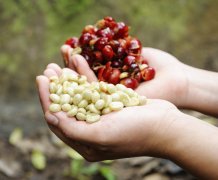
The country of Mocha-- Yemen and Ethiopia introduced Mocha pot gold coffee
The word mocha first emerged in Europe in the 16th and 17th century, because coffee imported from the Arab world was transported from the port of Mocha in Yemen, so at first people used mocha as a synonym for coffee, so until the invention of the mocha pot in the 20th century, people took it for granted that this kind of coffee brewing apparatus was called mocha pot. As for the difference between Ethiopian mocha and Yemeni mocha
2016-04-13 Mocha country Yemen Ethiopia imported mocha pot gold medal coffee mocha
Colombian Coffee Flavor Taste Manor production area introduces Hope Manor
The history of coffee cultivation in Colombia can be traced back to the Spanish colonial era in the 16th century, and there are many theories about the history of coffee in Colombia: one: it is said to come from the island of Haiti in the Caribbean and from El Salvador in Central America. Second: in 1808, a priest introduced coffee beans to Colombia for the first time from the French Antilles via Venezuela. One of them
2016-07-22 Colombia Coffee Flavor Taste Manor producing area introduction Hope